

Basement Music Studio: Transform Your Space into a Creative Haven
Creating a basement music studio is a fantastic way to utilize extra space in your home. Whether you’re a professional musician or an enthusiastic hobbyist, a dedicated music studio can enhance your creative process and productivity. In this guide, we’ll walk you through the essential steps for basement finishing to transform your basement into a perfect music studio.
Basic Music Studio Ideas


Planning Your Basement Music Studio
Determine Your Needs
Before you start, consider what you’ll need in your basement music studio. Think about the instruments, equipment, and recording devices you use. Make a list of essential items and plan your space accordingly.
Soundproofing and Acoustics
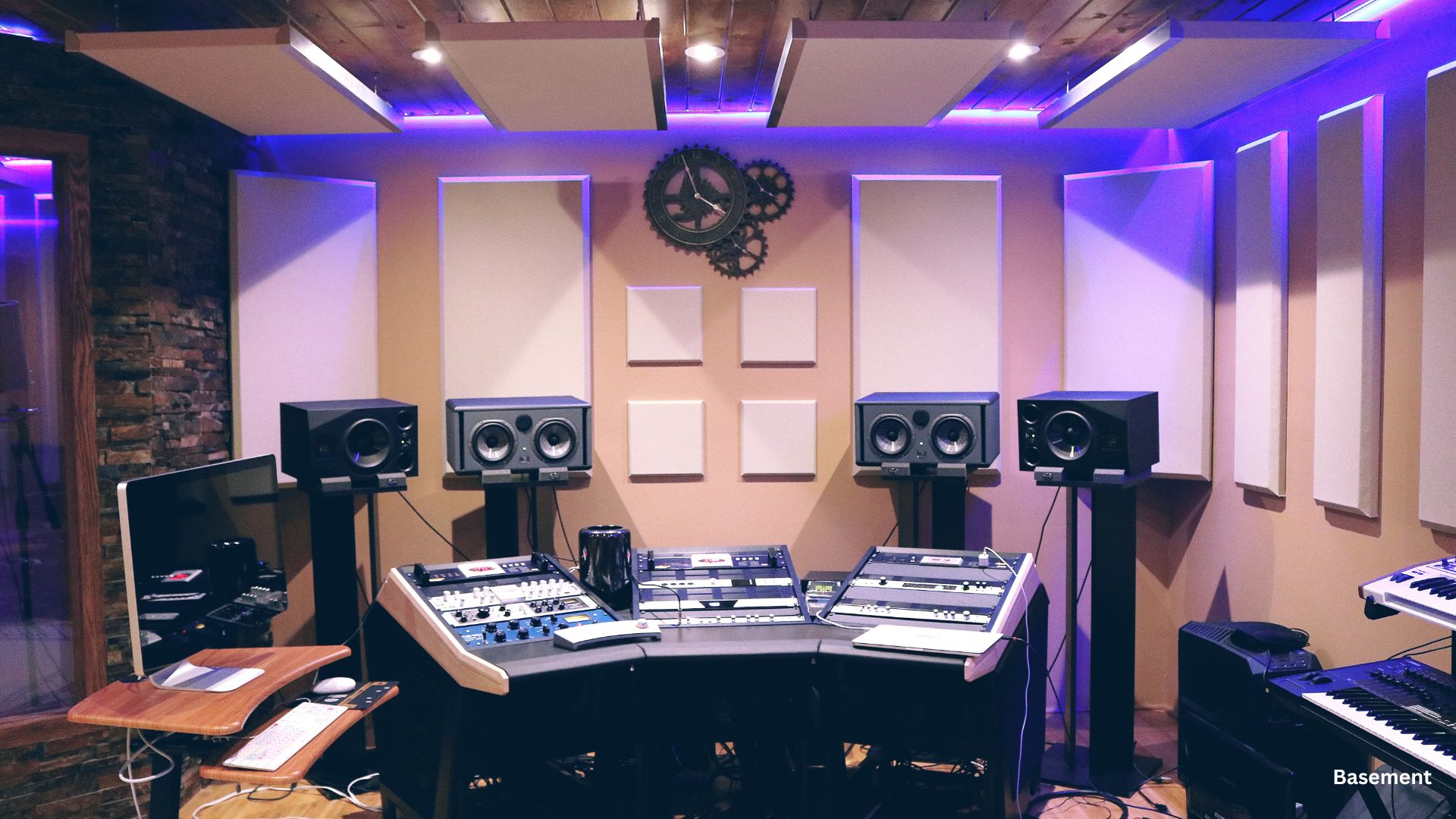
Soundproofing is crucial for a basement music studio. Use materials like acoustic panels, foam, and heavy curtains to minimize sound leakage. Proper soundproofing ensures that your music doesn’t disturb the rest of the household.
Basement Finishing for a Music Studio
Moisture Control
Basements can be prone to moisture. Ensure proper waterproofing to protect your equipment. Install a dehumidifier to maintain an ideal humidity level.
Lighting and Electrical Work
Good lighting is essential for a productive music studio. Install sufficient lighting that mimics daylight. Ensure your basement has enough electrical outlets to power all your equipment safely.
Flooring and Wall Treatments
Choose flooring that absorbs sound, like carpet or rubber mats. Treat walls with acoustic panels to enhance sound quality. These steps are crucial for a basement music studio to achieve the best sound possible.
Furnishing Your Music Studio
Comfortable Seating and Workspaces
Invest in comfortable seating and ergonomic furniture. A good chair and desk can make long recording sessions more enjoyable.
Storage Solutions
Use shelves, racks, and cabinets to organize your equipment. Proper storage helps maintain a clutter-free and efficient workspace.
Decoration and Personal Touches
Add personal touches to your basement music studio to make it inspiring. Use posters, artwork, and decor that reflect your musical style.
Common Questions about Basements
1. How much does it cost to build a basement music studio?
Basic Setup: $2,000 – $5,000
- Acoustic Treatment: $500 – $1,500
- Acoustic panels, bass traps, and diffusers to improve sound quality.
- Soundproofing: $500 – $1,000
- Basic soundproofing materials such as foam, carpets, and heavy curtains.
- Basic Equipment: $1,000 – $2,500
- Entry-level microphones, audio interfaces, monitors, and cables.
- Furniture: $200 – $500
- Basic desk, chair, and shelves for equipment and materials.
Intermediate Setup: $5,000 – $15,000
- Enhanced Acoustic Treatment: $1,000 – $3,000
- High-quality acoustic panels and advanced sound diffusion solutions.
- Advanced Soundproofing: $2,000 – $5,000
- Professional-grade insulation, soundproof doors, and double-glazed windows.
- Mid-Range Equipment: $2,000 – $5,000
- Mid-range microphones, audio interfaces, monitors, and additional accessories.
- Furniture and Decor: $500 – $2,000
- Ergonomic furniture, storage solutions, and aesthetic improvements.
Professional Setup: $15,000 – $50,000+
- High-End Acoustic Treatment: $3,000 – $10,000
- Custom-designed acoustic treatments and professional installation.
- Professional Soundproofing: $5,000 – $15,000
- Complete sound isolation construction, including floating floors and resilient channels.
- High-End Equipment: $5,000 – $20,000
- Top-of-the-line microphones, preamps, interfaces, monitors, and other studio gear.
- Custom Furniture and Aesthetics: $2,000 – $5,000
- Custom-built desks, high-quality seating, and advanced storage solutions.
- Miscellaneous Costs: $1,000 – $5,000
- HVAC adjustments, electrical work, and any other unforeseen expenses.
Additional Considerations
- Permits and Inspections: $500 – $1,500
- Depending on your location, you might need building permits and inspections.
- Professional Services: $2,000 – $10,000
- Costs for hiring architects, contractors, and acoustic consultants.
2. How do I soundproof my basement studio?
Use soundproofing materials like acoustic panels, foam, and heavy curtains. Also, consider double-paned windows and solid-core doors.
3. What kind of lighting is best for a music studio?
Natural or daylight-mimicking LED lights are best. Ensure even lighting to reduce eye strain and create a comfortable environment.
Creating a basement music studio is a rewarding project that can greatly enhance your musical endeavors. With proper planning and basement finishing, you can transform your space into a professional and inspiring studio. Start your basement music studio project today and take your music to the next level!

GBC Staff
Hi, my name is GBC Staff. A passionate garden designer and nature lover with over 10 years of experience in landscape architecture